
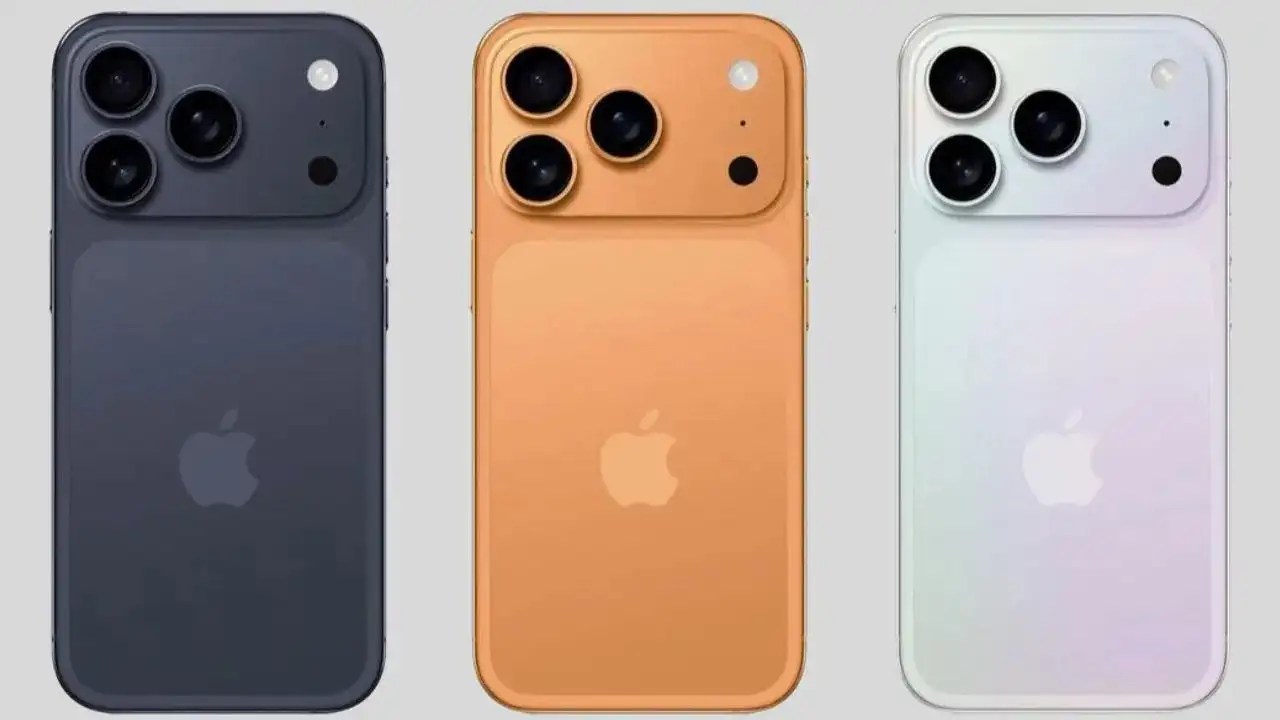


How AI Powers the iPhone 17 Experience
The iPhone 17 is more than just Apple’s latest flagship smartphone—it is the company’s bold step into a future where artificial intelligence quietly reshapes how we use devices. Unlike many competitors who loudly market “AI phones,” Apple integrates machine learning and neural intelligence in subtle ways that make features seamless. The phone looks like any other premium iPhone, but beneath its polished glass and aluminum body, AI is at work: enhancing photography, saving battery, securing data, and streamlining everyday tasks. This approach reflects Apple’s philosophy: the best technology feels invisible, serving the user without overwhelming them.
With the iPhone 17, AI is not about gimmicks but about consistent, real benefits. From the Center Stage camera that keeps you perfectly framed in video calls to adaptive display refresh rates that extend your battery life, from memory safety enforced by AI-driven hardware to the next-generation N1 wireless chip, Apple’s design choices make the iPhone 17 a quiet AI powerhouse. To appreciate how deeply artificial intelligence is embedded in this phone, it helps to examine its camera system, display, chipset, wireless architecture, and everyday use cases.
Intelligent Camera Capabilities
Photography and video remain central to the iPhone identity, and AI makes the iPhone 17 camera system smarter than ever.
Center Stage on the New 18MP Front Sensor
For the first time, Apple has introduced an 18MP square-format front camera with Center Stage intelligence. This system uses machine learning to track your face and body, ensuring you remain perfectly centered during calls or recordings, even if you move. Unlike simple digital cropping, AI recalibrates framing in real time, analyzing the scene and adjusting smoothly. In practice, it feels like having a personal camera operator following you—ideal for FaceTime, Zoom, or even recording a vlog without worrying about alignment.
Dual 48MP Fusion System on the Rear
On the back, the dual 48MP sensors combine Apple’s signature computational photography with advanced AI lighting and fusion. When you shoot, the phone doesn’t just capture an image; it instantly evaluates exposure, merges ultra-wide and wide frames, and applies intelligent tone mapping. The result is natural lighting with balanced shadows and highlights, almost as if a professional editor adjusted the image before you even saw it.
Intelligent Audio Processing
AI also extends to sound. The iPhone 17 introduces spatial audio recording with real-time wind noise reduction. When filming outdoors, gusts of air no longer ruin clips; neural algorithms filter frequencies associated with wind while preserving voices and environmental ambiance. For vloggers, journalists, or everyday users, this means videos that sound as good as they look.
Simultaneous Front and Rear Recording
Pro models push creator workflows further by supporting dual recording from front and back cameras at once. AI automatically synchronizes streams, adjusts resolution balance, and maintains color consistency. This is invaluable for content creators who want to capture both subject and reaction without complex setups.
Display Intelligence and Battery Efficiency
The iPhone 17 display doesn’t just look beautiful; it thinks for you.
ProMotion with Adaptive AI Control
The Super Retina XDR display features ProMotion with refresh rates up to 120Hz. But instead of simply switching between fixed speeds, AI continuously monitors your activity. If you are scrolling a static webpage, the refresh rate drops to 1Hz, conserving energy. If you launch into a high-intensity game, it ramps to 120Hz instantly for fluid visuals. This adaptive control ensures that the screen always feels responsive while optimizing battery life.
Outdoor Brightness and ML-Driven Auto Adjustment
Apple has engineered the iPhone 17’s panel to hit 3,000 nits in direct sunlight, but raw brightness is only half the story. Machine learning analyzes your environment, balancing brightness, contrast, and tone for clarity without excessive strain on the eyes or battery. In practice, this means your display stays legible whether you’re walking under desert sun or reading at night.
Adaptive Power Mode
One of the most understated but powerful AI-driven features is the new Adaptive Power Mode. Instead of waiting until your battery hits 20% to conserve power, iPhone 17 monitors your usage patterns. If it predicts you’ll run out of charge before the end of the day, it proactively reduces background activity and frame rates, often stretching your battery hours longer without you even noticing the trade-offs.
A19 Pro Chipset and Neural Safety
At the heart of iPhone 17 lies the A19 Pro chip, designed not just for speed but for intelligence.
Neural Accelerators and Performance
The A19 Pro integrates neural accelerators capable of billions of operations per second. These cores handle machine learning tasks natively, offloading from the CPU and GPU. This allows AI features—like Center Stage or live audio cleanup—to run efficiently without overheating or draining power.
Vapor-Chamber Cooling
For the first time, Apple has implemented vapor-chamber cooling in iPhones. While primarily intended to sustain gaming performance, it also supports prolonged AI workloads by maintaining thermal efficiency. This means creators can shoot, edit, and render directly on their phone without throttling.
Memory Integrity Enforcement
Security is another area where AI shines. Apple has deployed Memory Integrity Enforcement (MIE), a system leveraging hardware-based memory tagging extensions and typed allocators. The idea is simple but revolutionary: instead of reacting to threats, the iPhone actively prevents memory exploits in real time. By applying machine learning to detect anomalies in allocation and access, MIE blocks whole classes of attacks before they reach the kernel or apps. For the average user, this means fewer vulnerabilities and more trust in using the iPhone for banking, work, and sensitive communication.
AI-Optimized Connectivity
Connectivity is the backbone of a smartphone, and the iPhone 17 introduces hardware designed for smarter networking.
The N1 Wireless Chip
This new custom wireless processor integrates Wi-Fi 7, Bluetooth 6, and Thread. Beyond raw speed, AI manages traffic intelligently. For example, it prioritizes video call packets over background app updates, ensuring smoother communication even on congested networks. When used as a hotspot, it balances power consumption with throughput by learning from your habits.
C1X 5G Modem
Apple’s new C1X modem doubles effective 5G speeds, but more importantly, it uses predictive algorithms to smooth data handoffs. By anticipating cell tower transitions, it reduces dropouts in streaming or gaming. For travelers and commuters, this translates to fewer interruptions and a consistently fast experience.
The Siri Gap and Apple Intelligence
While hardware demonstrates AI in abundance, the iPhone 17 still holds back on a major AI feature: the next-generation Siri.
Delay of AI-Powered Siri
Apple Intelligence—the suite promising multi-app task execution, summarization, and contextual awareness—was announced but postponed to 2026. This means the iPhone 17 ships without the generative AI assistant many expected.
Why Apple Waited
Apple’s decision reflects its strategy of releasing AI features only when they are reliable and privacy-safe. By relying heavily on on-device processing rather than cloud dependency, Apple ensures user data remains private. Although this delayed launch frustrates some, it highlights Apple’s commitment to cautious innovation.
Existing AI Examples
Even without a new Siri, elements of Apple Intelligence appear in subtle ways. For example, third-party apps like Firefox on iOS can access system summarization features with gestures like “Shake to Summarize.” These glimpses suggest how seamlessly AI will integrate when fully deployed.
Everyday Use Cases: AI You Don’t Notice
The true genius of the iPhone 17 is that AI is invisible. Unlike flashy marketing, the enhancements appear in the background:
- Video Calls: Always centered, even when walking around.
- Photography: Instantly balanced images without editing.
- Battery: Stays alive longer because it “knows” your habits.
- Security: Exploits prevented before they occur.
- Connectivity: Stable calls and streams across crowded networks.
The result is a phone that feels intuitive and reliable. You don’t need to toggle AI on or off—it’s simply there, refining the experience.
Looking Ahead
The iPhone 17 is a stepping stone in Apple’s larger AI roadmap. The hardware is already prepared for heavy machine learning, with the A19 Pro, N1 wireless chip, and vapor chamber ready to handle future workloads. What’s missing is the generative AI front end—Siri’s full transformation. When it arrives in 2026, users will discover that their iPhone 17 has quietly been ready for it all along.
The lesson here is simple: Apple’s approach to AI is not about bold slogans but about trust and usefulness. By embedding intelligence in ways that protect privacy, extend battery life, secure memory, and enhance photography, Apple has turned the iPhone 17 into a silent but powerful AI companion.
